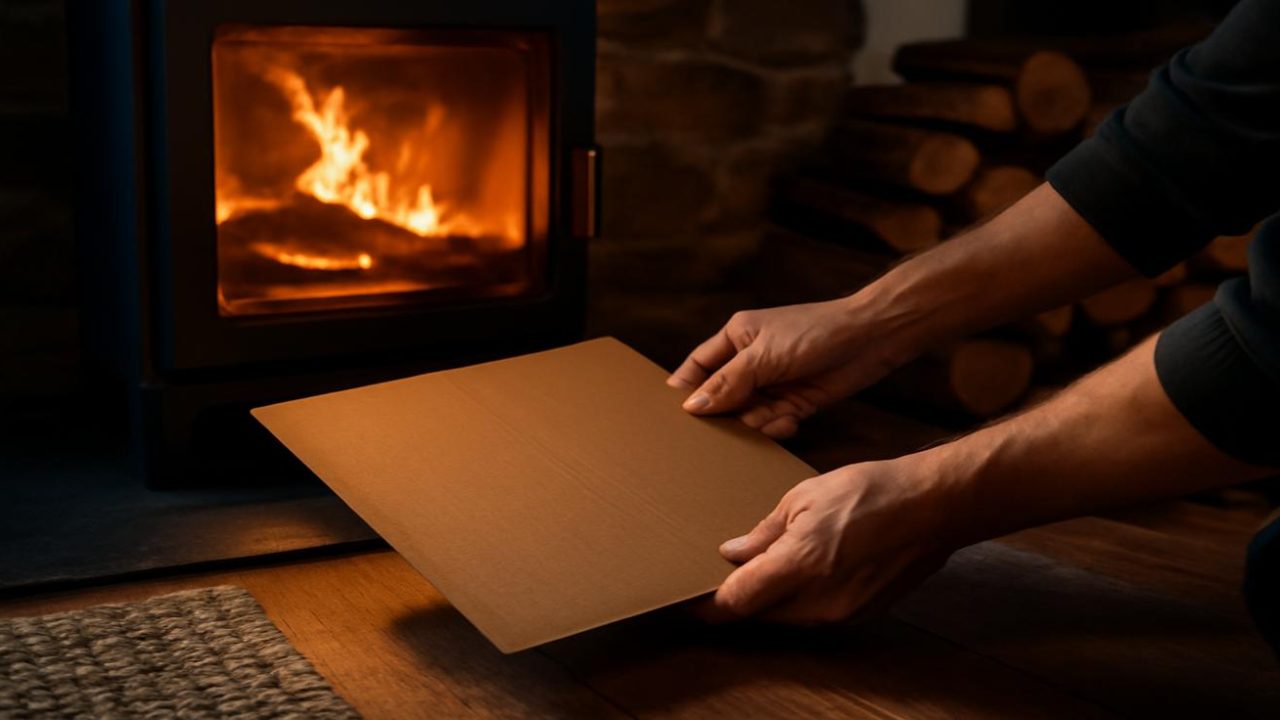
Most wood stove owners follow the same frustrating pattern: load the stove, light from the bottom like a campfire, then spend the evening wrestling with smoky glass, uneven heat, and logs that burn through faster than expected. But a simple technique called top-down burning is changing how people approach wood heating entirely.
The method involves stacking logs with the largest on bottom and lighting from the top, then maintaining strong airflow until the entire load is fully engaged in flames. Wood heating enthusiasts report dramatic improvements in heat output, fuel efficiency, and burn quality using this approach.
Rather than the traditional bottom-up lighting method most people inherit from family or installers, this technique works with your stove’s design to create cleaner, more efficient burns that can transform your heating experience.

How Top-Down Burning Actually Works
The traditional approach to wood burning creates immediate problems. When you light from the bottom with restricted airflow, the fire struggles to establish clean combustion. The result is that familiar cycle of roaring fires followed by sulking coals, streaked glass, and rooms that smell faintly of smoke.
Top-down burning flips this process entirely. You build your stack with the biggest logs on the bottom, medium-sized pieces above them, and kindling on top. Light the kindling and let the fire burn downward through the stack.
The critical difference is airflow management. Instead of immediately choking down the air supply, you keep it wide open until the entire load is thoroughly involved in bright, dancing flames. Only then do you gradually reduce airflow to find that steady, clean burn.

This staging creates what heating experts call a “clean ignition.” As fire moves downward, gases from the lower logs are drawn up through the hot, flaming zone above them. Instead of drifting away as smoky waste, these gases become additional fuel, creating extra heat and reducing emissions.
The Science Behind Better Wood Heating Performance
Modern wood stoves include secondary combustion systems designed to burn wood gases that would otherwise escape as smoke. These systems only function properly when they receive hot, turbulent gases mixed with adequate oxygen.
Top-down burning with strong initial airflow delivers exactly what these systems need. Users often notice small jets of blue, ghostly flames from the top or back of the firebox – visible evidence that wood gases are being reclaimed as usable heat rather than lost as pollution.

The thermal dynamics create a more stable burn pattern. Instead of the wild temperature swings common with bottom-up lighting, top-down fires produce steadier heat output that charges your home’s thermal mass more effectively.
| Burning Method | Heat Consistency | Glass Clarity | Fuel Efficiency | Smoke Production |
|---|---|---|---|---|
| Bottom-Up (Traditional) | Variable, uneven | Often streaked | Standard | Higher emissions |
| Top-Down Method | Steady, even | Mostly clear | Improved | Reduced emissions |
What Good Wood Burning Actually Feels Like
Most people accept mediocre performance from their wood stoves because they don’t know what optimal burning looks like. A properly executed top-down burn creates noticeably different conditions in your home.
The heat feels different – wrapping around you rather than creating hot spots near the stove while leaving corners cold. Well-burned fires produce heat that seems to settle into walls, furniture, and floors, creating thermal storage that maintains comfort longer.
Visual cues tell the story clearly. Instead of lazy orange flames licking at darkened logs behind sooty glass, clean burns produce bright, purposeful flames – sometimes almost white-gold – washing across the wood in smooth sheets through mostly clear glass.
The sound changes too. Clean fires burn with a confident, steady roar rather than the fitful crackling of struggling combustion. Your wood pile lasts longer because more of each log’s energy content gets converted to usable heat instead of disappearing up the chimney.
Step-by-Step Top-Down Burning Technique
Success with top-down burning depends on proper stacking, timing, and airflow management. The technique works best when you understand each phase of the process.

Building the Stack:
- Place your largest logs on the firebox floor, running front to back
- Add a second layer of medium logs perpendicular to the first
- Continue alternating direction with progressively smaller wood
- Top with fine kindling and newspaper or fire starter
- Leave gaps between pieces for airflow
Lighting and Air Management:
- Light the top layer and open air controls fully
- Resist the urge to reduce airflow early
- Wait until flames are actively consuming the entire load
- Gradually reduce air supply to maintain bright, active flames
- Find the sweet spot where flames remain lively but controlled
The timing varies by stove size and wood type, but expect 15-30 minutes of high airflow before beginning to dial back controls. The investment in patience pays dividends in burn quality and duration.

Why This Method Changes Your Heating Experience
Top-down burning addresses the fundamental mismatch between how most people operate wood stoves and how modern stoves are designed to function. Contemporary wood stoves incorporate sophisticated engineering to maximize efficiency and minimize emissions, but these systems only work when operated correctly.
Traditional lighting methods often prevent stoves from reaching optimal operating temperatures quickly enough to engage secondary combustion. The result is incomplete burning that wastes fuel and creates pollution.
Users who switch to top-down burning typically notice several immediate improvements. Room heating becomes more predictable and even. Glass stays cleaner longer, letting you actually see and enjoy the fire. Wood consumption often decreases while heat output increases.

The method also reduces maintenance issues. Cleaner burns mean less creosote buildup in chimneys and less ash production in the firebox. Your chimney sweep may notice the difference during annual inspections.
Frequently Asked Questions
Does top-down burning work with all types of wood stoves?
This method works with most modern wood stoves, especially those with secondary combustion systems, though results may vary with older or simpler designs.
How long should I keep the air controls fully open?
Maintain maximum airflow until the entire wood load is actively burning with bright flames, typically 15-30 minutes depending on your stove and fuel load.

Will this method work with any type of firewood?
Top-down burning works best with properly seasoned hardwoods, though the technique can improve performance with any dry firewood.
Why does my glass stay cleaner with this method?
Clean, hot combustion produces fewer particles that stick to glass, while proper airflow helps keep combustion gases away from the door.
Can I use this technique for overnight burns?
Once you establish a clean burn using top-down lighting, you can gradually reduce airflow for longer burns, though overnight burning depends on your specific stove’s capabilities.
How much more efficient is top-down burning compared to traditional methods?
While specific efficiency gains vary by stove and conditions, users commonly report noticeable improvements in heat output and fuel consumption.










Leave a Comment