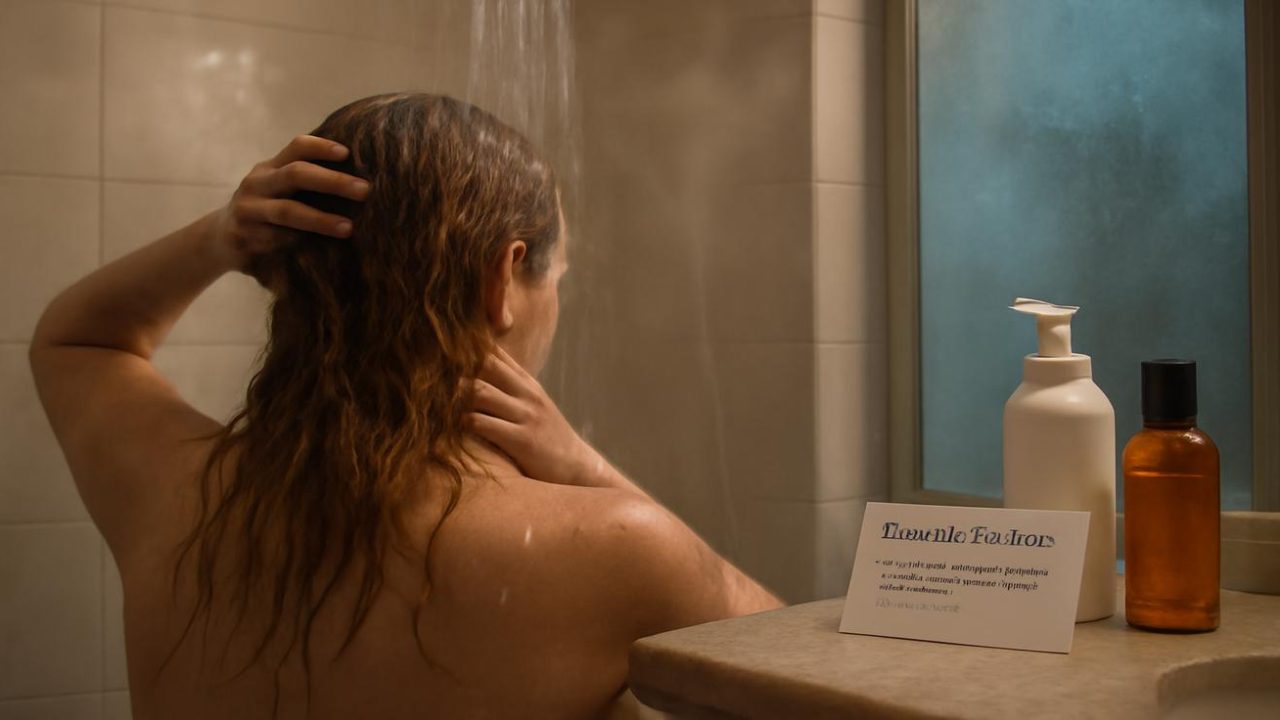
The most comforting winter ritual might be quietly destroying your hair. When temperatures drop and that first blast of cold air hits your face, there’s nothing more appealing than cranking the shower dial all the way to the left and standing under a stream of scalding water until the world disappears.
But that blissful, steaming shower is actually the number one mistake we make with our hair during cold weather. What feels like the perfect antidote to winter’s harsh bite is secretly stripping your hair of everything it needs to stay healthy, leaving it dry, brittle, and lifeless for months.
The damage isn’t obvious while you’re luxuriating under the hot water, humming and lost in thought. You only notice it later — when your hair dries into a rough, straw-like texture, when the ends look brittle, when static clings like a bad mood, and when no amount of oil seems to penetrate.

Why Hot Showers Are Your Hair’s Winter Enemy
That deliciously hot shower feels addictive for a reason. There’s something almost primal about twisting the tap all the way left and letting scalding water melt the chill from your shoulders, warm your ears, and thaw your wind-tightened scalp. It’s the easiest form of self-care we know.
But when that dial gets turned too far, it’s quietly dismantling your hair’s natural defenses. To understand why, you need to zoom in on a single strand of hair and see what’s actually happening at the microscopic level.
Think of each hair like a tiny tree trunk: there’s the center (called the medulla), wrapped in a strong inner layer (the cortex), all encased in overlapping outer scales called the cuticle. Those cuticle scales are the guardians of your hair’s moisture, structure, and shine.

Very warm or hot water swells the hair shaft and lifts the cuticle, leaving those tiny scales raised and rough instead of smooth and sealed. In that vulnerable state, your hair loses moisture much faster than normal.
How Winter Weather Sets Up Your Hair for Damage
Your hair is already under assault before you even step into that hot shower. Winter creates a perfect storm of conditions that leave your hair parched and defenseless.
The air outside is cold and dry. Indoor heating systems suck moisture from every surface in your home, including your hair. The natural oils from your scalp, which normally travel down each strand to keep it soft and protected, move more slowly in cold weather.

Add frequent washing, harsh winter hats rubbing against your head, and the drying effects of indoor heating, and your hair is already desperately thirsty by the time you reach for that shower handle.
Then the hot water delivers the final blow. Your shampoo, especially if it’s strong or used too often, now has easier access to the hair’s cortex through those lifted cuticles, where it can strip away essential lipids and proteins. Combine that with foamy, astringent lathers, long showers, and vigorous scrubbing, and you’ve essentially turned your hair fiber into a desert landscape.
The Hidden Damage Hot Water Causes to Hair Structure
The destruction doesn’t announce itself immediately. Right after that steaming shower, your hair might actually feel “very clean.” But as it dries in the radiator-heated air, the damage reveals itself in several unmistakable ways.
- Raised cuticles: Hot water lifts the protective outer scales, making hair feel rough and look dull
- Moisture loss: Lifted cuticles can’t seal in hydration, leading to chronic dryness
- Protein damage: Heat and harsh cleansing strip away essential proteins that give hair its strength
- Static buildup: Dry, damaged hair becomes a magnet for static electricity
- Increased tangling: Rough cuticles catch and snag against each other like Velcro
The damage compounds over time. Each too-hot shower is like giving your hair a sunburn it has to heal from, and in winter’s harsh conditions, that healing process becomes nearly impossible.
What Your Winter Shower Habits Are Really Costing You
Dry winter hair rarely results from one single mistake. It’s usually a constellation of habits, most of them built around that too-hot, too-long shower routine that feels so necessary when it’s freezing outside.
| Damaging Winter Habit | What It Does to Your Hair | Better Alternative |
|---|---|---|
| Scalding water temperature | Lifts cuticles and strips natural oils | Lukewarm water that’s just warm to touch |
| Extended shower time | Prolonged exposure to damaging heat | Shorter, focused washing sessions |
| Daily washing | Over-cleansing removes protective sebum | Wash every other day or less frequently |
| Vigorous scrubbing | Physical damage to already vulnerable strands | Gentle massaging with fingertips |
The irony is that we often blame the season itself. “Winter just hates my hair,” becomes the default explanation. But winter isn’t the whole story — it’s the ritual we build around surviving it that creates the real damage.

Breaking the Cycle of Winter Hair Damage
The solution isn’t to suffer through cold showers when it’s freezing outside. Small adjustments to your routine can preserve that comforting shower experience while protecting your hair from unnecessary damage.
Start by adjusting your water temperature gradually. Instead of cranking the dial to maximum heat, find the sweet spot where the water feels warm and soothing without being scalding. Your scalp should feel relaxed, not like it’s being burned.
Consider washing your hair less frequently during winter months. When your scalp isn’t producing oils as quickly due to cold weather, daily washing becomes overkill that strips away what little natural protection your hair has left.

Focus your shampooing efforts on your scalp rather than the length of your hair. The ends of your strands are the oldest and most fragile parts — they don’t need aggressive cleansing, just gentle rinsing.
Frequently Asked Questions
How hot is too hot for washing hair in winter?
If the water feels uncomfortably hot on your skin or creates excessive steam, it’s too hot for your hair. Aim for water that feels warm and comfortable, not scalding.
How often should I wash my hair during winter months?
Most people can reduce washing frequency in winter since scalp oil production slows down. Every other day or even twice a week may be sufficient, depending on your hair type.

Will cold water rinses really help my hair?
Cool water helps seal the hair cuticles that hot water has lifted, locking in moisture and creating smoother, shinier hair. You don’t need ice-cold water — just cooler than your washing temperature.
Why does my hair feel so dry even when I use conditioner?
If you’re using very hot water, it may be lifting your cuticles so much that conditioner can’t effectively seal them. The heat damage may be outpacing your conditioning efforts.
Can I reverse winter heat damage to my hair?
While you can’t undo damage that’s already occurred, you can prevent further damage and help your hair recover by adjusting your shower temperature and using gentler washing techniques.

Does this apply to all hair types?
Hot water can damage any hair type, but curly, coily, and chemically-treated hair are typically more vulnerable to heat and moisture loss than straight, fine hair.










Leave a Comment