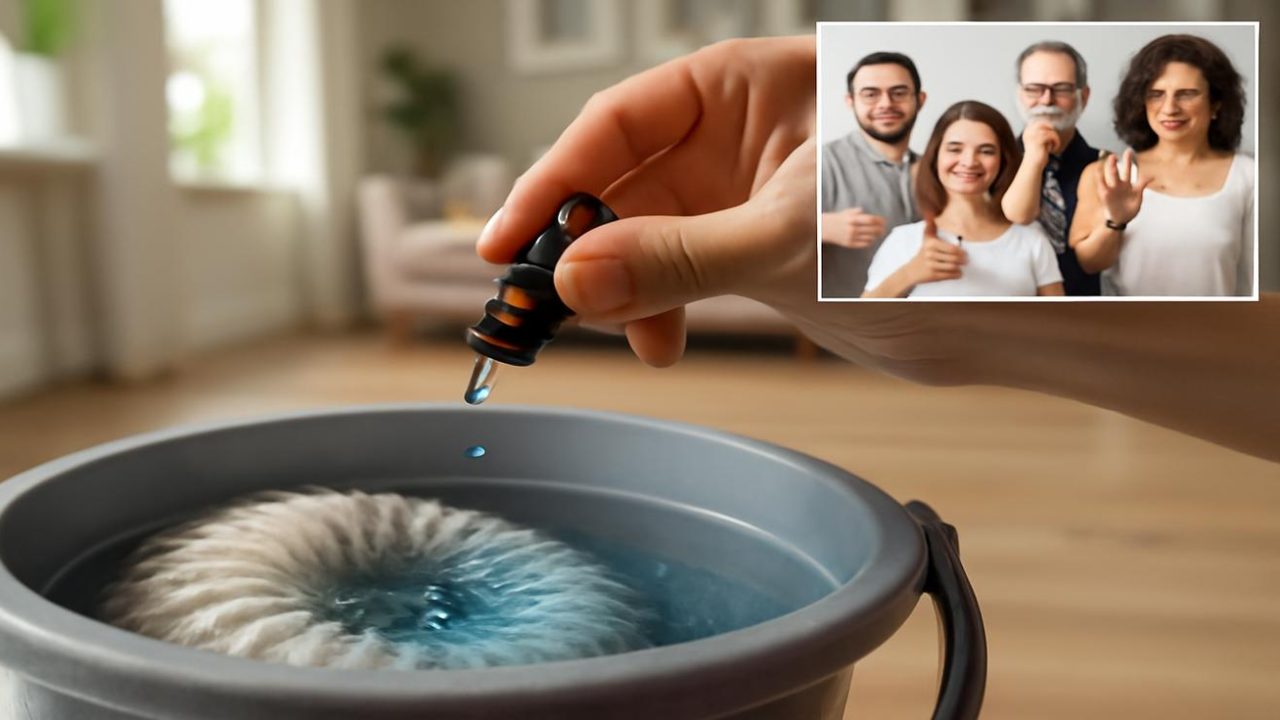
A viral cleaning hack promising to make your home smell like a luxury hotel with just two drops in your mop bucket has divided cleaning experts and sparked heated debates across social media platforms. The trend involves adding perfume or essential oils to mop water, creating a long-lasting fragrance that can permeate entire homes for days.
While thousands of users swear by the method, sharing testimonials about their apartments smelling like “five-star hotel lobbies,” others are raising serious concerns about safety, effectiveness, and potential damage to flooring and cleaning equipment.
The controversy highlights our collective obsession with creating perfectly scented homes and raises important questions about whether this seemingly simple hack is genius innovation or potentially dangerous misinformation.

The Viral Cleaning Hack Everyone’s Talking About
The method itself couldn’t be simpler. Users fill their mop buckets with warm water and regular cleaning solution, then add exactly two drops of perfume or fragrant essential oil. As they mop, the scented molecules spread across floors and gradually release into the air, creating a subtle, room-wide aroma that reportedly lasts for days.
The appeal is obvious. Unlike harsh vinegar or lemon-based cleaners, this hack promises warmth and luxury. Instead of artificial air fresheners that fade quickly, it offers gentle, persistent fragrance that emanates from the largest surface in most homes—the floor.
Social media videos show creators gliding across gleaming tiles in soft slippers, dramatically uncapping tiny bottles of clear liquid, and letting precisely two drops fall into their mop water. The aesthetic is carefully crafted: sunlight streaming through spotless windows, the mop swishing lazily across surfaces, and captions promising spa-like results.

Comments sections explode with testimonials. Users describe walking into homes that smell like expensive hotels, cozy sanctuaries, and perfectly maintained spaces that feel professionally cleaned.
Why We’re Obsessed With Scented Floors
Our relationship with home fragrance runs deeper than simple preference. When we enter a freshly cleaned space, our noses detect the story before our eyes register visual cleanliness. That cool, wet scent of evaporating water mixed with detergent signals care, effort, and attention to detail.
We chase this feeling through candles, diffusers, wax melts, and simmering stovetop potpourri. But floors represent something different—they’re the quiet backdrop to daily life, supporting footsteps, pet paws, spilled coffee, and sliding socks. When floors hold fragrance, they can fill spaces more steadily and subtly than any candle.

The “two drops” trend promises something specific: not artificial bursts that disappear quickly, but gentle, room-wide aroma that clings and lingers. It taps into a domestic longing that goes beyond cleanliness—we want our homes to feel like sanctuaries.
This explains why a simple hack can generate such passionate responses. It’s not just about cleaning efficiency; it’s about creating the perfect sensory experience in our most personal spaces.
How the Method Actually Works
The science behind the hack is straightforward. Scented molecules in perfumes and essential oils naturally stick to surfaces and evaporate slowly over time. The mop becomes a delivery vehicle, sweeping these molecules across flooring where they settle into tiny pores, seams, and fibers.
As the molecules gradually evaporate, they create a sustained fragrance release that can last much longer than traditional air fresheners. The key is the slow, steady evaporation rate that provides consistent scent without overwhelming intensity.
Different users report varying approaches:
- Some use expensive designer perfumes for luxury hotel effects
- Others prefer essential oils like lavender, eucalyptus, or vanilla
- Many experiment with different drop quantities despite the “two drop” standard
- Some add the scent directly to cleaning solution bottles for repeated use
The method works best on hard surfaces like tile, hardwood, and laminate, where scented molecules can settle and release gradually without being absorbed immediately.

The Safety Concerns Experts Are Raising
Despite enthusiastic user testimonials, the hack has generated significant pushback from cleaning professionals and safety advocates. Critics argue that perfumes and essential oils aren’t designed for floor application and could create unexpected problems.
Reported concerns include potential damage to cleaning equipment, with some users claiming their mop heads melted or deteriorated after repeated use with scented additives. Others worry about chemical interactions between perfume ingredients and standard cleaning solutions.
Pet safety represents another major concern. Many essential oils and perfume ingredients can be toxic to cats and dogs, especially when concentrated on surfaces where pets walk, lie, and potentially lick their paws.
Respiratory issues also factor into the debate. While users praise the gentle fragrance, critics point out that continuously breathing concentrated perfume molecules could trigger allergies, asthma, or chemical sensitivities in vulnerable individuals.
| Reported Benefits | Reported Concerns |
|---|---|
| Long-lasting home fragrance | Potential equipment damage |
| Luxury hotel-like scent | Pet toxicity risks |
| Cost-effective air freshening | Respiratory irritation |
| Gentle, non-harsh aroma | Chemical interaction unknown |
| Easy implementation | Floor surface damage |
What This Trend Reveals About Modern Cleaning Culture
The explosive popularity of this hack reflects broader changes in how we approach home maintenance. Social media has transformed cleaning from private household chore into public performance, where aesthetic results matter as much as actual cleanliness.
We’re no longer satisfied with simply clean spaces—we want them to feel luxurious, smell perfect, and create specific emotional experiences. The “two drops” trend promises to transform mundane mopping into a spa-like ritual that yields Instagram-worthy results.

This shift explains why simple hacks can generate such intense reactions. They’re not just about efficiency; they’re about identity, aspiration, and the desire to create picture-perfect domestic experiences worth sharing online.
The controversy also highlights the tension between viral innovation and traditional expertise. Social media users discover and spread techniques faster than professionals can evaluate their safety or effectiveness, creating conflicts between popular enthusiasm and expert caution.
Making an Informed Decision About This Cleaning Hack
For those considering trying the trend, the limited available evidence suggests proceeding with careful consideration rather than blind enthusiasm or complete avoidance.
The basic concept—adding small amounts of fragrant oils to cleaning water—isn’t inherently dangerous, but the specific implementation matters significantly. The type of fragrance, flooring material, cleaning solution, equipment, and household members (including pets) all factor into potential outcomes.
Those interested in experimenting might consider starting with pet-safe essential oils in extremely small quantities, testing on inconspicuous areas first, and monitoring for any adverse reactions in household members or damage to equipment.
Alternatively, purpose-designed floor cleaning products with built-in fragrances might provide similar results with better-tested safety profiles, though they lack the viral hack’s appeal of transforming existing perfume into cleaning enhancement.
Frequently Asked Questions
What exactly do you add to the mop bucket?
The viral hack involves adding two drops of perfume or essential oil to regular mop water and cleaning solution.
How long does the scent actually last?
Users report the fragrance lasting for several days, though specific duration varies based on room ventilation, flooring type, and fragrance choice.
Is this safe for pets?
Many essential oils and perfume ingredients can be toxic to pets, especially cats and dogs who walk on treated floors.
Can this damage my floors or cleaning equipment?
Some users report mop head deterioration, though widespread equipment damage hasn’t been systematically documented.
Do cleaning experts recommend this method?
Professional opinion appears divided, with some viewing it as harmless experimentation and others raising safety and effectiveness concerns.
Are there safer alternatives that provide similar results?
Purpose-designed scented floor cleaners might offer comparable fragrance benefits with better-tested safety profiles.







Leave a Comment