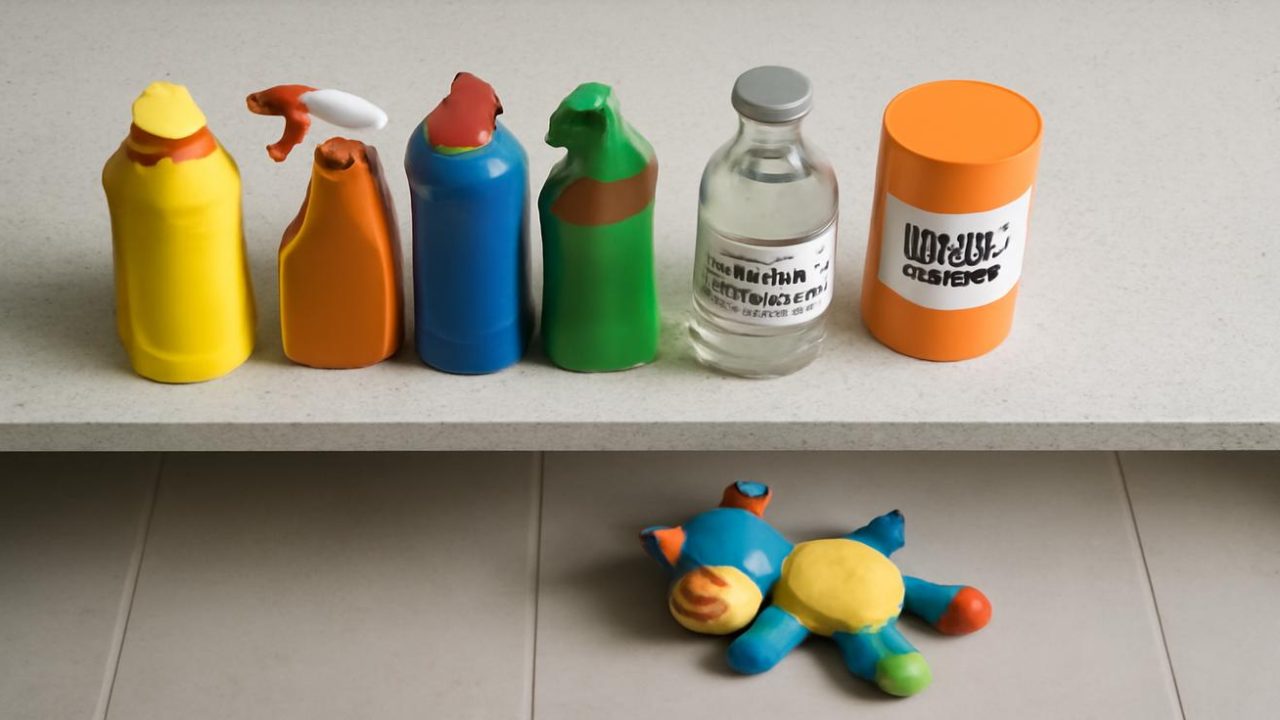
Veronica stared at her spotless kitchen counters, a bottle of disinfectant still clutched in her hand. She’d spent three hours scrubbing every surface for the second time that day, yet something felt wrong. Despite her obsessive cleaning routine that had taken over her life since the pandemic, her family seemed to get sick more often than before.
“I don’t understand it,” she confided to her neighbor. “I clean constantly, but we’re always dealing with some bug or another.”
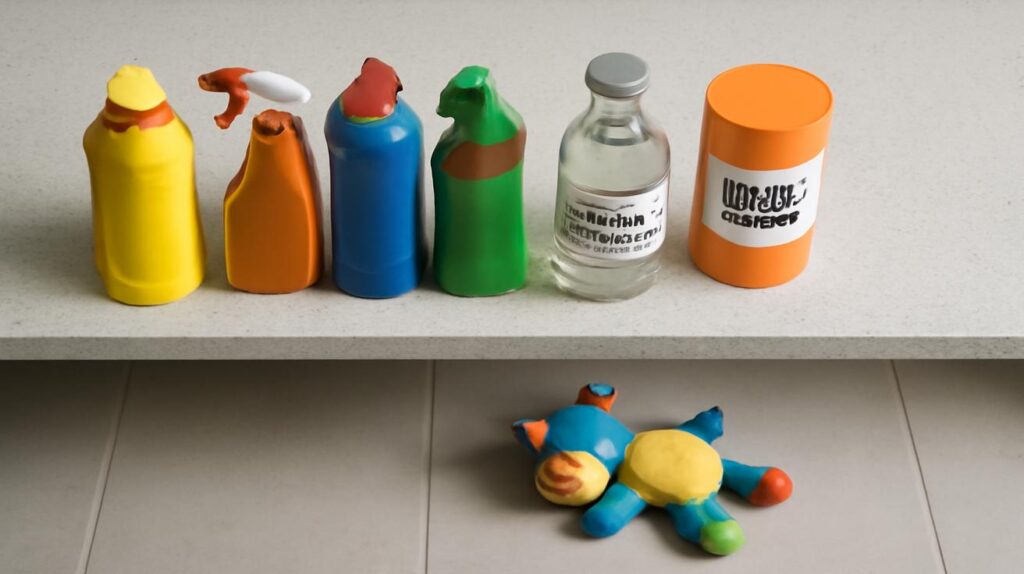
Veronica’s frustration reflects a growing paradox many households face today. The assumption that more cleaning automatically equals better health isn’t always true, and sometimes our well-intentioned efforts can backfire in unexpected ways.

When Clean Becomes Too Clean
The relationship between cleanliness and health is more nuanced than most people realize. While maintaining basic hygiene prevents dangerous infections, excessive cleaning can disrupt the delicate balance of microorganisms that actually protect our health.
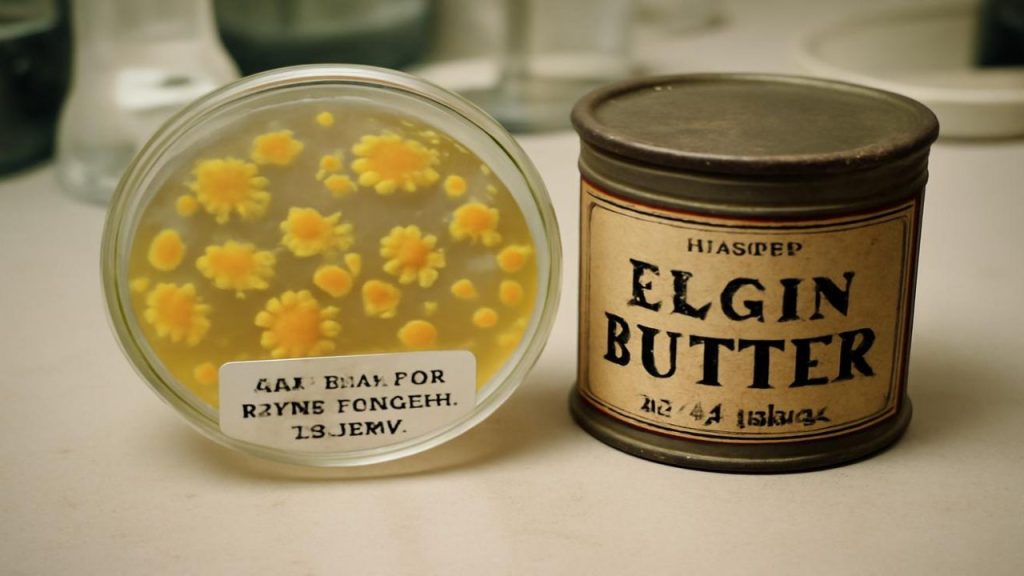
Our homes naturally harbor millions of bacteria, fungi, and other microbes. Many of these organisms are beneficial, helping to crowd out harmful pathogens and supporting our immune systems. When we over-sanitize our living spaces, we eliminate both good and bad microbes, creating an environment where dangerous bacteria can more easily establish themselves.
The human microbiome needs diversity to function properly. When we sanitize everything, we’re essentially creating biological deserts in our homes.
— Dr. Rachel Martinez, Environmental Microbiologist
This phenomenon explains why children raised in overly sterile environments often develop more allergies and autoimmune conditions. Their immune systems, lacking exposure to harmless microbes, become hypersensitive and start attacking benign substances.
The Hidden Costs of Over-Cleaning
Excessive cleaning habits create problems beyond disrupted microbiomes. Understanding these issues can help you find a healthier balance in your cleaning routine.
| Problem Area | Impact | Better Approach |
|---|---|---|
| Chemical Overload | Respiratory irritation, skin problems | Use mild cleaners, ensure ventilation |
| Antibiotic Resistance | Creates super-bacteria | Reserve antibacterial products for specific needs |
| Weakened Immunity | Less exposure to beneficial microbes | Allow controlled exposure to everyday germs |
| Stress and Anxiety | Cleaning becomes compulsive behavior | Set reasonable cleaning schedules |
Chemical exposure represents one of the most immediate concerns. Many commercial cleaning products contain volatile organic compounds (VOCs) that can trigger asthma, headaches, and other health issues when used excessively in poorly ventilated spaces.
I see patients who develop contact dermatitis and respiratory symptoms directly linked to their cleaning product use. Sometimes less really is more.
— Dr. James Chen, Occupational Health Specialist
The psychological impact shouldn’t be overlooked either. When cleaning becomes compulsive, it can consume hours of daily life and create significant stress. This anxiety often undermines the very health benefits that cleaning is supposed to provide.
Smart Cleaning Strategies That Actually Work
Effective cleaning focuses on strategic timing and targeted approaches rather than constant sanitization. The goal is removing harmful pathogens while preserving beneficial microbes and avoiding chemical overload.
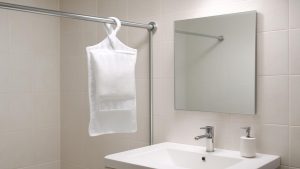
High-touch surfaces deserve the most attention. Door handles, light switches, and bathroom fixtures should be cleaned regularly because they’re genuine transmission points for illness-causing germs. However, surfaces that people rarely touch don’t require daily disinfection.
Timing matters significantly. Cleaning before and after someone in your household is sick makes perfect sense. But maintaining the same intensive routine when everyone is healthy often does more harm than good.
- Focus cleaning efforts on kitchens and bathrooms where harmful bacteria multiply
- Use soap and water for most cleaning tasks instead of antimicrobial products
- Reserve disinfectants for times when someone is actually ill
- Open windows regularly to improve air circulation and reduce chemical buildup
- Allow children to play in dirt and interact with pets to build immune diversity
- Clean toys and surfaces with plain soap rather than antibacterial products
The most effective cleaning routine is one you can maintain consistently without it taking over your life. Consistency beats intensity every time.
— Maria Gonzalez, Public Health Educator

Finding Your Personal Balance
Different households need different approaches based on their specific circumstances. Families with newborns or immunocompromised members require more careful cleaning protocols than healthy adult households.
Pay attention to how your family responds to your current cleaning routine. If everyone stays healthy with minimal cleaning, you’ve probably found a good balance. If illnesses seem frequent despite intensive cleaning, you might be over-sanitizing.
Consider the source of recurring health issues. Frequent colds might indicate poor ventilation or stress rather than insufficient cleaning. Skin problems could signal chemical sensitivity rather than inadequate hygiene.

I tell my patients to clean with purpose, not out of fear. Ask yourself why you’re reaching for that disinfectant spray—is there a real risk you’re addressing?
— Dr. Susan Lee, Family Medicine Physician
Natural cleaning alternatives often work just as effectively as harsh chemicals for routine maintenance. White vinegar, baking soda, and castile soap handle most household cleaning tasks without the side effects of commercial products.
Remember that good health depends on multiple factors beyond cleanliness. Adequate sleep, regular exercise, stress management, and proper nutrition all contribute more to disease prevention than obsessive sanitization.
The key insight is that effective cleaning serves health rather than controlling it. When cleaning routines become sources of anxiety or consume excessive time and money, they’ve likely crossed the line from helpful to harmful.
FAQs
How often should I disinfect my home?
Only when someone is sick or after potential contamination events, not as part of daily routine.
Are antibacterial soaps better than regular soap?
No, regular soap and water remove germs just as effectively without contributing to antibiotic resistance.
What’s the biggest cleaning mistake people make?
Using too many harsh chemicals too frequently, which can harm both beneficial microbes and human health.
How can I tell if I’m over-cleaning?
Signs include frequent skin irritation, respiratory issues, anxiety about germs, or spending more than an hour daily on cleaning.
What surfaces actually need daily cleaning?
Kitchen counters, cutting boards, and bathroom sinks see the most bacterial activity and benefit from daily attention.
Is it safe to let kids get dirty?
Yes, controlled exposure to everyday dirt and germs helps children develop stronger immune systems and reduces allergy risk.







Leave a Comment