The toughest plants are almost never the most sheltered ones. This counterintuitive truth challenges everything we think we know about caring for our gardens, houseplants, and seedlings.
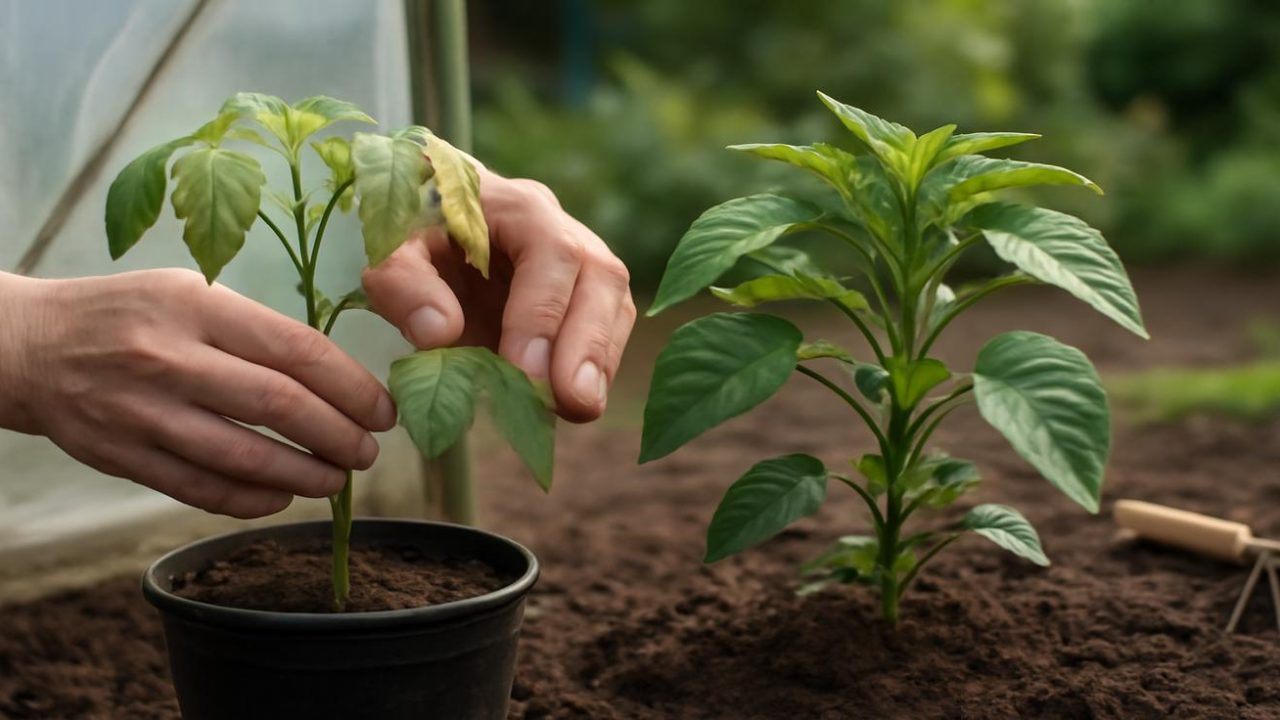
A simple experiment with tomato seedlings reveals the hidden danger of overprotection. Pampered seedlings grown under perfect conditions—controlled temperature, filtered light, precise fertilization—can appear flawless until they encounter their first real-world challenge. One unexpected gust of wind can topple these “perfect” plants like stunned soldiers, leading to yellowing, drooping, and often death within days.
This phenomenon exposes a fundamental misunderstanding about plant resilience and the role stress plays in developing strength.

How Overprotection Creates Vulnerable Plants
Most gardeners instinctively want to shield plants from every potential hardship. We protect them from wind, insects, strong sunlight, and temperature fluctuations. This protective instinct feels natural when we view plants as helpless and vulnerable.
But observing plants in harsh environments tells a different story. The most resilient specimens often grow in sidewalk cracks, on windswept dunes, in rocky gullies, and neglected corners where they face constant challenges. These plants have been pushed, jostled, scorched, and bent, yet they develop thicker stems, deeper roots, and stronger overall structure.
Resilience in plants isn’t accidental—it’s built cell by cell in response to environmental pressures. When we wrap plants in metaphorical cotton wool, we interrupt this natural strengthening process. The irony is sharp: the more we protect plants from discomfort, the less prepared they become for inevitable real-world stress.

The Street Tree Versus Greenhouse Comparison
Consider two young trees with identical genetics but vastly different growing conditions. The first grows in a controlled greenhouse environment with perfect irrigation, curated soil, filtered light, and carefully managed temperatures. Its leaves remain immaculate and untorn, while its trunk stays slim and smooth with unscarred bark.
The second tree grows in a narrow strip between curb and cracked sidewalk. It endures dog traffic, car exhaust, channeled wind carrying grit, pavement heat in summer, and salt spray in winter. Children snap its lower branches, and bicycles bang into its trunk.
After several years, the difference becomes striking. The greenhouse tree, when moved outdoors, sulks and wilts because its tissues are tuned for perfection, not unpredictability. The street tree, however, has practiced survival since its first leaves unfolded, developing deep root systems, thickened bark, and waxy leaf coatings in response to constant challenges.

| Plant Characteristic | Protected Environment | Challenging Environment |
|---|---|---|
| Stem structure | Tall and spindly | Short and stocky |
| Root system | Shallow, limited spread | Deep, extensively branched |
| Bark thickness | Thin and smooth | Thick and protective |
| Leaf coating | Minimal waxy protection | Heavy waxy coating |
The Science Behind Stress-Induced Plant Resilience
At the cellular level, plant resilience involves measurable physical changes triggered by environmental stress. When plants experience challenges like wind pressure, brief drought, or cold snaps, specific hormonal signals activate throughout their systems.
Key stress hormones include abscisic acid, jasmonic acid, and ethylene. These chemical messengers surge through stems and roots, prompting plants to reinforce tissues, adjust their internal chemistry, and sometimes completely revise their growth strategies.
Wind stress provides a clear example of this adaptation process. Mechanical pressure from moving air signals plants to grow shorter and stockier rather than tall and thin. Cells in the stem respond by laying down more lignin—the woody compound that makes plant tissue rigid and strong. Root systems may thicken and branch more extensively, creating better anchoring and stability.

This process demonstrates that buffeting and physical stress literally instruct plants to build stronger structures. Without these environmental cues, plants continue growing in ways that prioritize rapid expansion over structural integrity.
Why Perfect Conditions Can Backfire
The drive to create perfect growing conditions often stems from good intentions but can produce counterproductive results. Plants grown under consistently ideal circumstances develop what could be called “soft” characteristics—they become adapted to predictability rather than resilience.
These pampered plants typically exhibit several problematic traits. They grow rapidly upward but invest less energy in developing strong support structures. Their root systems remain relatively shallow since they never need to search extensively for water or nutrients. Their cellular walls stay thinner because they haven’t received signals to reinforce against physical stress.

When these sheltered plants eventually encounter normal outdoor conditions, they lack the physical adaptations necessary for survival. A mild breeze can snap stems that never learned to flex. Brief dry periods stress root systems that never developed extensive networks. Temperature fluctuations shock plants accustomed to constant warmth.
Practical Implications for Plant Care
Understanding the relationship between stress and plant resilience suggests several changes to common gardening practices. Rather than eliminating all challenges, the goal should be introducing manageable stress that builds strength without causing damage.
For seedlings, this might mean gradually reducing protection levels before transplanting. Instead of maintaining perfect conditions until moving day, gardeners can slowly introduce variables like air movement, temperature fluctuations, and reduced watering frequency.

The process mirrors athletic training principles—controlled stress builds capacity for handling greater challenges. Plants that experience minor hardships during development prove far more capable of surviving major environmental pressures later.
This approach requires rethinking our relationship with plant stress. Rather than viewing every challenge as harmful, we can recognize appropriate stress levels as beneficial developmental tools that create stronger, more adaptable plants.
Frequently Asked Questions
What makes plants “soft” when overprotected?
Overprotected plants develop thin cell walls, shallow root systems, and weak structural tissues because they never receive environmental signals to build stronger defenses.

How do stress hormones help plants become more resilient?
Hormones like abscisic acid, jasmonic acid, and ethylene signal plants to reinforce tissues, grow stockier stems, develop deeper roots, and create protective coatings on leaves.
Can you reverse the effects of overprotection in plants?
Plants can adapt to more challenging conditions, but the transition must be gradual to avoid shock and allow time for structural strengthening.
What’s the difference between beneficial stress and harmful stress for plants?
Beneficial stress involves manageable challenges that trigger adaptive responses, while harmful stress overwhelms the plant’s ability to respond and causes damage or death.

How long does it take for plants to develop stress resilience?
The timeline varies by species, but most plants begin showing structural adaptations within weeks of exposure to appropriate environmental challenges.
Should all plants be exposed to stress for better resilience?
The approach should match the plant’s intended environment—indoor plants need less stress conditioning than those destined for outdoor gardens or harsh climates.











Leave a Comment