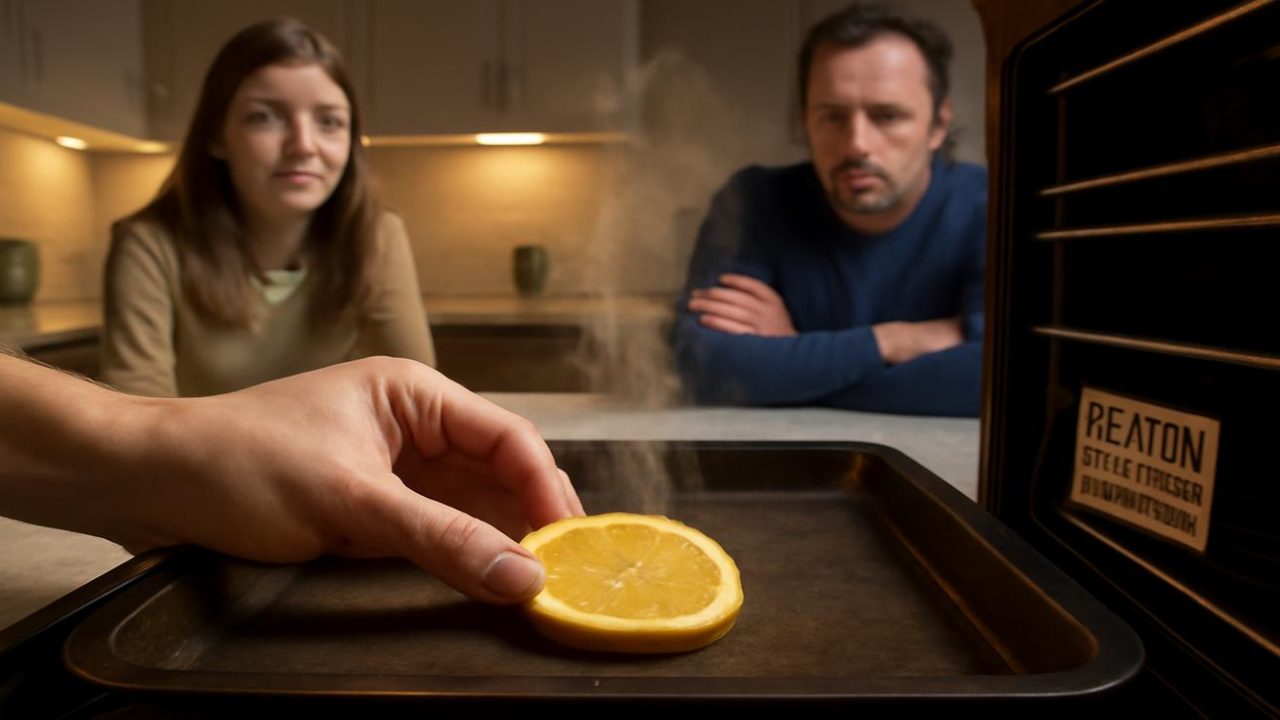
A simple slice of lemon left overnight in a cold oven has become one of the most polarizing home cleaning hacks on social media, with believers claiming it transforms their appliances into “forest spas” while skeptics warn it barely works and can sometimes backfire.
The technique sounds almost too simple to be real: place a fresh lemon slice on a baking tray or oven rack, close the door, and wait. By morning, proponents say, stubborn odors disappear and the entire oven interior feels refreshed. But cleaning experts are raising questions about what this viral hack actually accomplishes—and when it might do more harm than good.
Why the Cold Oven Lemon Trick Has Gone Viral
The appeal of this hack lies in its promise of effortless results using natural ingredients. For many people, cleaning an oven ranks among the most dreaded household chores—it’s time-consuming, requires harsh chemicals, and involves contorting into uncomfortable positions to reach every surface.

The lemon method offers an alternative that feels almost ritualistic in its simplicity. While you sleep, that single lemon slice slowly dries out, releasing citrus oils and acids into the enclosed space. There’s no scrubbing, no chemical fumes, and no immediate effort required.
Some variations of the hack call for a small bowl of lemon juice instead of slices, while others add baking soda on a nearby plate to create what believers describe as a “closed-loop deodorizing chamber.” The technique particularly appeals to people sensitive to commercial cleaning products or those nostalgic for more natural household solutions.
Home-cleaning forums are filled with testimonials from exhausted homeowners who discovered the hack through social media videos and decided to try it as a last resort before tackling a deep clean.

What Actually Happens Inside Your Oven
When stripped of the social media hype, a lemon in a cold oven performs three basic functions: deodorizing, adding slight humidity, and depositing small amounts of acid where it makes contact. None of these actions are harmful, but they also don’t constitute cleaning in the traditional sense.
Lemons contain citric acid and naturally fragrant oils in their peels. Even at room temperature, these compounds slowly evaporate and disperse throughout the closed oven space. The citrus scent can mask or lightly neutralize some odor molecules from previous cooking sessions—whether from fish, burnt cheese, or other strong-smelling foods.
The technique also introduces minimal humidity to the oven interior. As moisture evaporates from the lemon slice, it can slightly soften surface-level grime, dust, or light grease films, particularly on the oven window. This minor improvement often makes subsequent wiping easier and can convince users the hack is “working.”

However, experts emphasize that in chemical terms, a cold oven plus lemon functions more like aromatherapy than deep cleaning. The citric acid concentration isn’t sufficient to dissolve thick, carbonized layers of buildup, and without heat or physical agitation, the acids and oils remain largely where they settle.
When the Lemon Hack Backfires
The controversial nature of this hack stems partly from instances where it creates new problems instead of solving existing ones. Several scenarios can turn the simple lemon slice into a household headache.
If the lemon slice is left too long or the oven is particularly warm from residual heat, the fruit can begin to decompose, creating unpleasant odors that are worse than the original problem. Some users report discovering moldy or rotting lemon pieces after extended periods, requiring more extensive cleaning than they started with.

The hack can also create false confidence in cleanliness. While the fresh citrus scent masks cooking odors effectively, it doesn’t address underlying grease buildup, food particles, or carbonized spills that require actual cleaning. Users who rely solely on the lemon method may unknowingly allow genuine hygiene issues to persist.
Another potential issue arises when people forget about the lemon slice entirely, only discovering it days or weeks later when preheating their oven for cooking. Dried, forgotten lemon can create smoke or unpleasant burning smells when heated, disrupting meal preparation.
Expert Perspective on Effectiveness
Cleaning professionals acknowledge that the lemon hack can provide temporary odor relief and minor improvements in surface grime removal, but they caution against viewing it as a comprehensive cleaning solution.

The technique works best as a maintenance step between proper cleanings rather than as a standalone solution. For ovens with light use and minimal buildup, an overnight lemon treatment might provide satisfactory freshening. However, ovens with significant grease accumulation, burnt-on food, or heavy cooking residue require more aggressive cleaning methods.
The hack’s effectiveness also depends heavily on the specific type of odors and buildup present. Light cooking smells and minor surface films respond better to the lemon treatment than deeply embedded grease or carbonized spills from high-temperature cooking.
Why Households Are Divided
The polarized response to this hack often correlates with different household cooking patterns and cleanliness expectations. Families who use their ovens frequently for high-temperature roasting or baking tend to find the lemon method insufficient for their cleaning needs.

Conversely, households with lighter oven usage or those who perform regular deep cleaning may find the hack provides adequate maintenance between more thorough cleaning sessions. The technique also appeals differently based on individual sensitivity to chemical cleaners and personal preferences for natural solutions.
The divide extends to social media discussions, where success stories clash with disappointment reports. This creates confusion for newcomers trying to determine whether the hack merits their time and effort.
Making the Hack Work Better
For those determined to try the lemon method, several modifications can improve results and reduce the risk of problems:

- Use fresh lemon slices and remove them within 12-24 hours maximum
- Ensure the oven is completely cool before placing lemon inside
- Combine with light surface wiping after the treatment period
- View it as odor control rather than actual cleaning
- Set phone reminders to avoid forgetting about the lemon
The hack works best when expectations align with realistic outcomes—temporary odor improvement and minor surface softening rather than deep cleaning transformation.
Frequently Asked Questions
How long should you leave lemon in a cold oven?
Most variations recommend overnight or up to 24 hours maximum to avoid decomposition issues.
Does the lemon hack actually clean baked-on grease?
No, the citric acid concentration and lack of heat aren’t sufficient to dissolve thick, carbonized buildup.

Can you use bottled lemon juice instead of fresh slices?
Yes, some variations call for a small bowl of lemon juice, though fresh slices also release oils from the peel.
Is it safe to leave lemon in the oven for several days?
No, extended periods can lead to decomposition and worse odors than the original problem.
Why do some people say the hack doesn’t work at all?
Results vary based on oven usage patterns, existing buildup levels, and individual expectations for what constitutes “clean.”
Should you wipe the oven after using the lemon hack?
Yes, light wiping after treatment can remove softened surface grime and maximize the hack’s effectiveness.









Leave a Comment