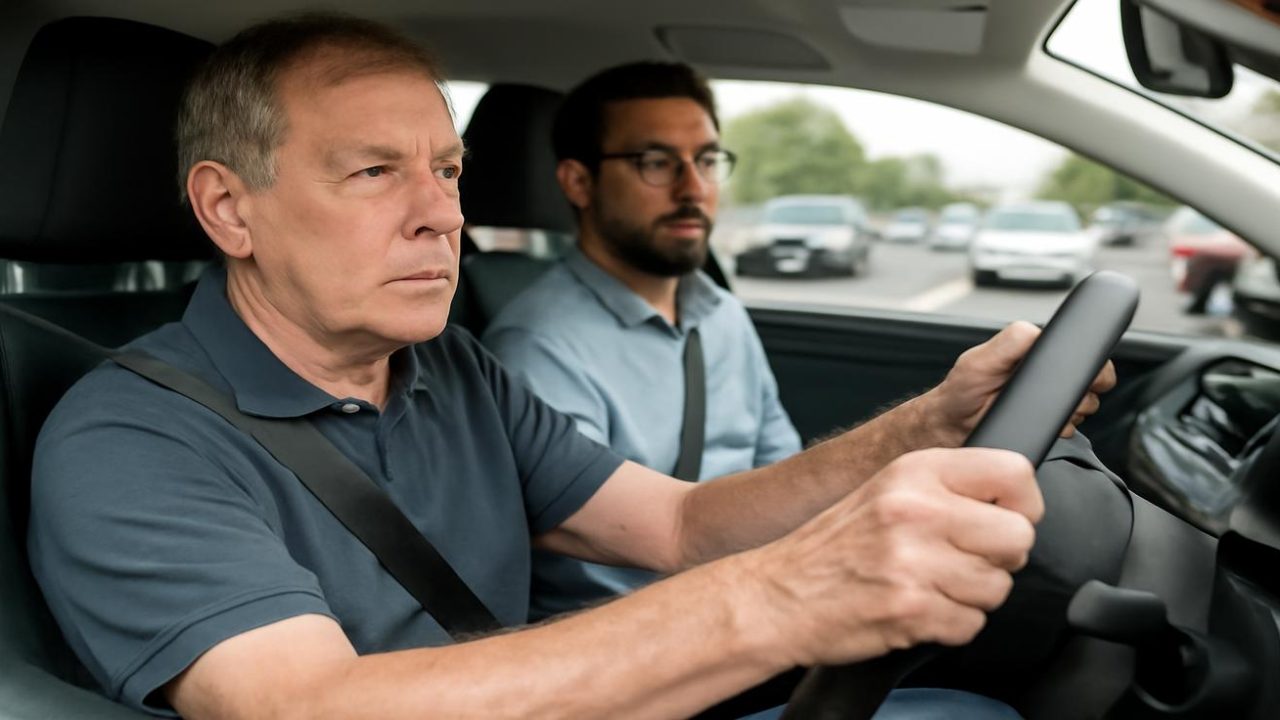
After age 65, your brain naturally begins to slow its processing speed—the time needed to take in information, understand it, and decide what to do. This isn’t a sudden cliff drop, but rather like the gradual dimming of light at twilight.
If you’ve noticed yourself hesitating at green lights or taking an extra moment to read road signs, you’re experiencing something completely normal. Scientists have identified specific changes that happen in both your brain and vision after 65 that affect driving reactions.
The good news? Understanding these changes can help you adapt and stay safely on the road for years to come.

What Actually Changes in Your Brain After 65
Driving looks effortless from the outside, but inside your head, it’s a small neurological miracle. Your eyes scan, your brain interprets, and your hands and feet respond in near-seamless choreography.
After about 60-65, this tempo naturally shifts. Scientists call it “processing speed”—and it’s the most significant change affecting your driving reactions.
You may notice this slowing in tiny, daily ways:

- Reading road signs takes an extra beat
- A child approaching a crosswalk feels like a more complex problem to solve
- Turning left at busy intersections becomes something you’d rather avoid
- Your brain takes longer to filter distractions and settle on decisions
Your brain is still clever and capable, but it’s more deliberate now. The processing doesn’t happen as lightning-fast as it once did.
Here’s the interesting twist: while your brain slows, your experience increases dramatically. You’ve been driving longer than some other drivers have been alive. That deep well of practice means your brain doesn’t have to work as hard for routine driving tasks.
In familiar areas, you might still feel almost as quick as ever. It’s when something breaks the script—an unexpected swerve, a loud honk, flashing lights in your mirror—that you feel the delay most clearly.

How Your Vision Changes the Driving Experience
One of the clearest places you’ll feel age while driving is right in front of your face—literally. Past 65, your eyes are doing significantly more work just to keep up with what used to feel automatic.
Inside your eye, the lens stiffens and yellows over time. This process steals some of the light you used to enjoy for free, requiring more brightness to see what once appeared perfectly clear.
| Vision Change | Driving Impact |
|---|---|
| Reduced contrast sensitivity | Lane markers and curbs appear less distinct |
| Increased glare sensitivity | Oncoming headlights seem harsher and more distracting |
| Light halos | Streetlights create visual interference |
| Reduced light processing | Night driving becomes more challenging |
Contrast feels softer overall. That sharp boundary between asphalt and curb, the bright white paint of lane markers at dusk—everything blurs slightly around the edges.

Glare from oncoming headlights becomes genuinely harsh in a way that makes you want to squint or look away. Streetlights create halos around themselves, and rain on the windshield stops being a minor annoyance and starts feeling like a visual puzzle your brain isn’t entirely happy to solve.
Why Experience Still Matters More Than Speed
Despite slower processing and vision changes, your decades of driving experience create a powerful advantage. Your brain leans heavily on patterns, habits, and stored memories of similar situations.
For many routine driving tasks, this experience means your brain doesn’t have to work as hard. You’ve encountered thousands of driving scenarios, and your mind has developed efficient shortcuts for handling them.

This is why familiar routes often feel comfortable even when other driving situations feel more challenging. Your brain recognizes the patterns and can operate more automatically in known environments.
The combination of experience and slower processing creates an interesting dynamic: you become more cautious and deliberate, which often translates to safer driving habits overall.
Practical Strategies for Slower Reaction Times
Recognizing these changes doesn’t mean accepting limitations—it means adapting intelligently. Several strategies can help you maintain confident, safe driving:

- Increase following distance to give yourself more reaction time
- Avoid driving during peak glare times when possible
- Plan routes that minimize complex left turns and busy intersections
- Keep windshields and mirrors exceptionally clean
- Consider upgrading vehicle lighting systems
- Schedule regular comprehensive eye exams
Night driving deserves special attention. Those secretive-feeling roads that once seemed familiar now require extra preparation and caution. Many drivers find limiting night driving to essential trips helps maintain both safety and confidence.
The key insight is that slower doesn’t mean helpless. Your brain is simply rewriting how it handles speed, risk, and attention. Working with these changes rather than fighting them leads to better outcomes.
When Changes Signal Bigger Concerns
Normal age-related slowing follows predictable patterns and develops gradually. You should be able to adapt to most situations, even if they take slightly longer to process.

However, some changes warrant professional evaluation. Sudden increases in reaction time, frequent confusion about familiar routes, or difficulty judging distances and speeds could indicate issues beyond normal aging.
Regular check-ins with healthcare providers can help distinguish between expected changes and those requiring intervention. Vision specialists can also recommend specific adaptations for driving-related sight changes.
The goal isn’t to drive exactly as you did at 45—it’s to drive safely and confidently at 65 and beyond, using both your hard-earned experience and smart adaptations to age-related changes.

Frequently Asked Questions
At what age do driving reaction times typically start slowing down?
Processing speed naturally begins to slow after about 60-65 years of age, though the change is gradual rather than sudden.
Does slower reaction time mean I should stop driving?
Not necessarily. Slower processing combined with decades of experience often results in safer, more deliberate driving habits.
Why does night driving feel so much harder after 65?
Your eye’s lens stiffens and yellows over time, reducing the amount of available light and making glare from headlights more problematic.
Can I do anything to improve my reaction times while driving?
While you can’t reverse natural aging, you can adapt by increasing following distance, avoiding challenging driving conditions, and maintaining excellent vehicle and vision care.
How do I know if my driving changes are normal or concerning?
Normal changes develop gradually and you can adapt to them. Sudden increases in reaction time or frequent confusion about familiar routes warrant professional evaluation.
Why do familiar routes still feel comfortable even with slower reactions?
Your brain relies on patterns and stored memories from decades of experience, making routine driving tasks require less active processing power.









Leave a Comment