Liam stared at his kitchen sink, overwhelmed by the mountain of dishes that had somehow multiplied overnight. Between his demanding job and two young kids, weekends had become a frantic catch-up game of cleaning that left him exhausted before Monday even arrived. Sound familiar?
That was before his neighbor shared a simple habit that changed everything. “Clean as you go,” she said with a knowing smile. “It sounds too simple to work, but trust me.”
Three months later, Liam gets his weekends back. No more marathon cleaning sessions. No more Sunday night panic about the state of his home. Just a consistently tidy space that maintains itself with surprisingly little effort.

The Game-Changing Habit That Transforms Your Week
The “clean as you go” approach isn’t just about washing dishes while you cook. It’s a mindset shift that prevents messes from accumulating in the first place, saving you hours of intensive cleaning every single week.
This habit works because it tackles the root cause of overwhelming mess: the compound effect of small, ignored tasks. When you address spills, clutter, and messes immediately, you prevent them from snowballing into time-consuming weekend projects.
Most people think cleaning efficiently means doing it all at once, but that’s actually the most time-consuming approach. Small, consistent actions throughout the week save you hours on the weekend.
— Jennifer Martinez, Professional Organizer

The beauty lies in its simplicity. Instead of dedicating entire Saturday mornings to cleaning, you’re investing tiny moments throughout your regular activities. The result? A home that stays consistently clean with minimal effort.
How to Master Clean-As-You-Go in Every Room
Implementing this habit requires strategic thinking about your daily routines. Here’s how to seamlessly integrate cleaning into activities you’re already doing:
Kitchen Strategies:

- Wash prep bowls and utensils while food cooks
- Wipe counters immediately after meal prep
- Load the dishwasher as you finish eating
- Clean spills the moment they happen
- Put ingredients away as you finish using them
Living Areas:
- Return items to their designated spots after use
- Fold and put away throws after movie nights
- Vacuum high-traffic areas during commercial breaks
- Sort mail immediately rather than creating piles
Bathroom Habits:
- Wipe down surfaces after morning routines
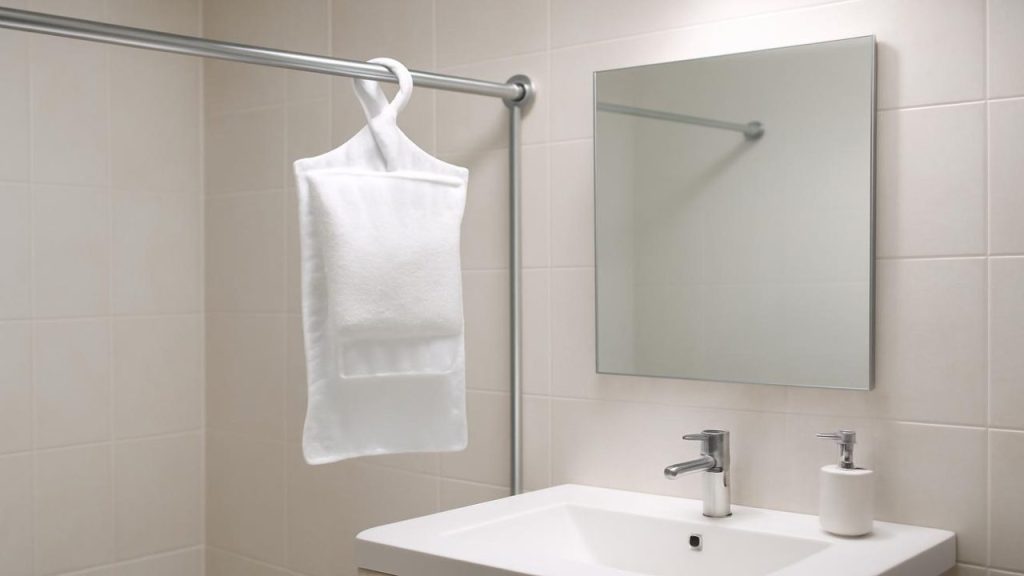
- Hang towels properly after each use
- Squeegee shower walls while you’re still in the bathroom
- Put toiletries back in their designated spots
| Traditional Cleaning | Clean-As-You-Go |
|---|---|
| 3-4 hours weekend deep clean | 5-10 minutes daily maintenance |
| Overwhelming mess accumulation | Consistently tidy spaces |
| Weekend stress and exhaustion | Relaxing, free weekends |
| Expensive cleaning supplies for deep cleaning | Regular household items for maintenance |
The key is making these actions automatic. After about three weeks, you won’t even think about wiping the counter after making coffee—it just becomes part of making coffee.
— Dr. Sarah Chen, Behavioral Psychology Expert
The Hidden Time-Saving Benefits You Didn’t Expect
Beyond the obvious cleaning time savings, this habit creates unexpected efficiencies throughout your week. When your home stays organized, you spend less time searching for lost items, dealing with stress-induced decision fatigue, and managing the mental load of an overwhelming to-do list.
People who adopt clean-as-you-go habits report sleeping better, feeling more productive during the week, and having energy for activities they actually enjoy on weekends. The psychological impact of a consistently tidy environment reduces cortisol levels and improves overall well-being.
I track my clients’ time savings, and the average person gains back 2.5 hours every weekend with this approach. That’s over 130 hours per year—more than three full work weeks.
— Michael Thompson, Efficiency Consultant

The habit also saves money. When you’re not rushing through weekend cleaning marathons, you’re less likely to break items, lose important documents, or buy duplicates of things you can’t find in cluttered spaces.
Perhaps most importantly, it transforms your relationship with your home. Instead of viewing your living space as a source of weekend stress, it becomes a sanctuary that supports your daily life rather than complicating it.
Making the Habit Stick When Life Gets Busy
The biggest challenge isn’t learning the techniques—it’s maintaining them during hectic periods. Start with one room or one routine, like cleaning while you cook dinner. Once that feels natural, expand to other areas.

Set visual reminders for the first few weeks. A small note on your coffee maker can prompt you to wipe the counter. A basket by the front door reminds family members to put items away immediately.
Remember that perfection isn’t the goal—progress is. Even implementing this habit 70% of the time will dramatically reduce your weekend cleaning load. The remaining 30% becomes manageable touch-ups rather than overwhelming catch-up sessions.
The families who succeed with this approach treat it like brushing their teeth—it’s just something you do as part of living in your space, not an extra chore to remember.
— Lisa Rodriguez, Home Organization Specialist

Track your weekend time savings for the first month. When you see concrete evidence of gaining back hours for activities you love, the motivation to maintain these small daily habits becomes much stronger.
FAQs
How long does it take to see real time savings?
Most people notice significant weekend time savings within 2-3 weeks of consistent implementation.
What if my family members don’t participate?
Start with your own habits and lead by example. Often, family members naturally join in when they see how much easier it makes daily life.

Is this realistic with young children?
Absolutely. Teaching kids to clean as they go actually saves more time than cleaning up after them, and builds valuable life skills.
What’s the most important area to start with?
The kitchen tends to have the biggest impact because it’s used multiple times daily and affects meal preparation efficiency.
How do I remember to do this when I’m rushed?
Focus on the 30-second rule: if something takes less than 30 seconds to clean or put away, do it immediately rather than saving it for later.
Does this really work for people who hate cleaning?
Yes, because you’re not really “cleaning” in the traditional sense—you’re just maintaining spaces as you use them, which feels much less overwhelming.








Leave a Comment