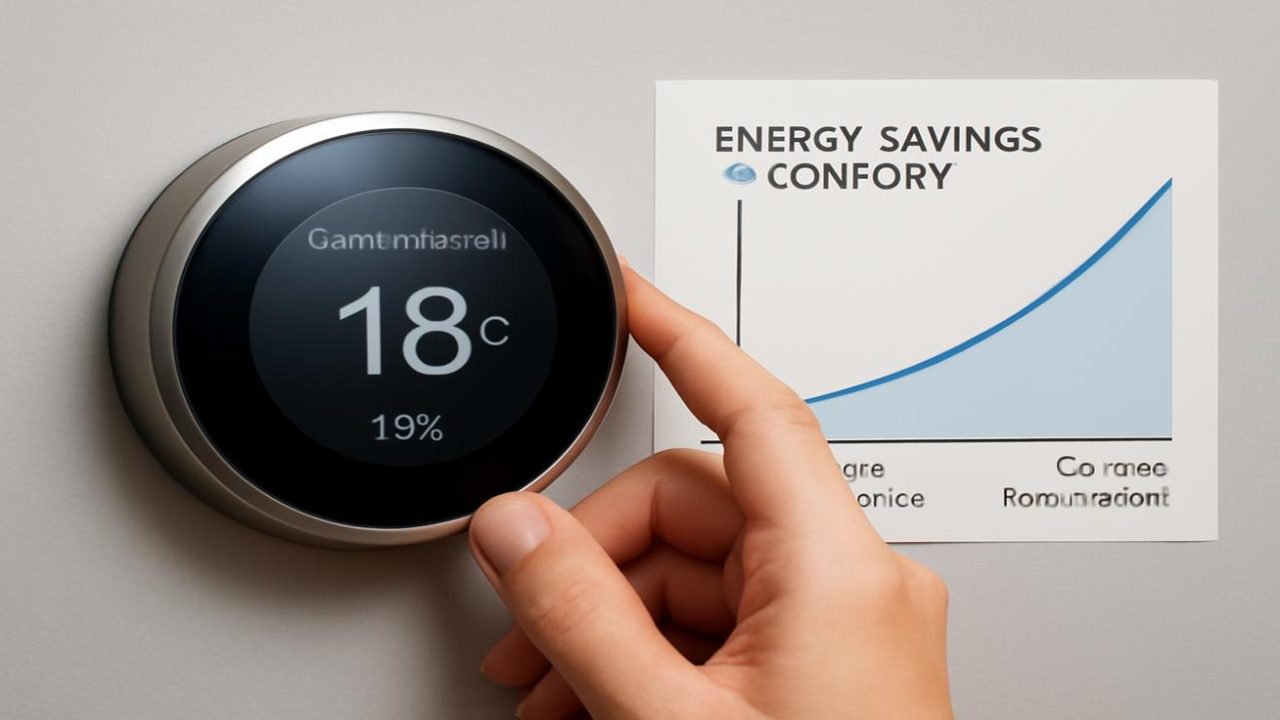
The long-standing rule of keeping your home at 19°C to save energy and reduce environmental impact is quietly being challenged by health experts who now recommend a warmer 21°C for most living spaces.
For years, 19°C wasn’t just a number on the thermostat—it was a badge of environmental responsibility. Governments and energy companies promoted it as the perfect balance between comfort and conservation. But mounting evidence suggests this one-size-fits-all approach may have overlooked something crucial: our health and wellbeing.
The shift toward 21°C represents more than a simple temperature adjustment. It reflects a growing understanding that indoor temperature directly affects everything from blood pressure to immune function, particularly during extended periods of cold weather.

Why the 19°C Standard Is Being Questioned
The original 19°C recommendation emerged from energy crises and climate concerns, offering a simple, memorable target that utilities and environmental campaigns could easily promote. The logic was straightforward: one universal number that everyone could follow to reduce energy consumption.
But this approach ignored fundamental differences in housing quality, personal health, and individual circumstances. A drafty Victorian home presents entirely different challenges from a well-insulated modern apartment. An 82-year-old faces different temperature needs than a healthy 30-year-old marathon runner.
Health authorities are increasingly pointing out that indoor temperatures below 18°C—especially for extended periods—can create health risks. These risks are particularly pronounced for older adults, babies, people with heart or lung conditions, and anyone who is underweight or unwell.

The human body’s response to cold involves narrowing blood vessels in the skin, which raises blood pressure. Airways can become more reactive, and the immune system must balance heat conservation with fighting infections. Over days and weeks, this physiological strain accumulates, especially during winter months when respiratory viruses are already circulating.
The Health Case for 21°C
The emerging consensus around 21°C isn’t arbitrary—it represents the temperature where most bodies, wearing average indoor clothing, can function without working overtime to stay warm. At this temperature, your heart doesn’t need to race to push warm blood to extremities, and muscles aren’t constantly tensing to generate heat.
This baseline is particularly important for rooms where people remain stationary for long periods, such as living rooms and home offices. When your body isn’t burning extra energy just to maintain core temperature, it can dedicate resources to other essential functions: clear thinking, tissue repair, digestion, and rest.

Several countries’ health authorities now frame 18-21°C as the “safe” temperature zone, with 21°C representing a more protective sweet spot for extended comfort and health maintenance.
| Temperature Range | Health Impact | Recommended For |
|---|---|---|
| Below 18°C | Increased health risks | Not recommended for extended periods |
| 18-19°C | Minimal comfort, potential strain | Short periods only |
| 21°C | Optimal comfort and health balance | Living rooms, offices, main living spaces |
Beyond the Numbers: What Really Affects Indoor Comfort
Two homes both set to 21°C can feel completely different, highlighting that comfort involves more than thermostat settings. Humidity levels, air circulation, insulation quality, and even the materials used in furniture and flooring all influence how temperature feels in practice.
Drafts can make a 21°C room feel significantly colder, while good insulation and minimal air leaks can make the same temperature feel genuinely comfortable. This explains why some people struggle to feel warm even at higher thermostat settings, while others find the same temperature perfectly adequate.

The clothing factor also matters significantly. The 21°C recommendation assumes normal indoor clothing—not multiple layers, thick socks, or blankets needed to feel comfortable. If you’re regularly bundling up indoors, your actual comfort temperature may be higher than your thermostat setting suggests.
Who Benefits Most from the Higher Temperature
The shift from 19°C to 21°C particularly benefits vulnerable populations who are most susceptible to cold-related health impacts. Older adults often have reduced circulation and may take medications that affect temperature regulation. Their bodies may struggle more to maintain warmth at lower indoor temperatures.
People working from home also stand to gain from the higher baseline, especially those spending long hours at desks. Cold fingers, tense shoulders, and the general discomfort of trying to concentrate while chilly can significantly impact productivity and wellbeing.

Parents of young children may find the 21°C target more practical, as babies and toddlers have different temperature regulation capabilities than adults. Maintaining a consistently comfortable environment becomes less of a daily negotiation when the baseline temperature supports natural comfort.
Those with certain medical conditions—particularly cardiovascular or respiratory issues—may experience fewer symptoms and better overall health outcomes in consistently warmer indoor environments.
Balancing Health and Energy Concerns
The transition from 19°C to 21°C does raise legitimate questions about energy consumption and environmental impact. However, experts suggest that the health costs of consistently cold indoor environments may outweigh the energy savings, particularly when factoring in potential medical expenses and reduced quality of life.

The key lies in smart implementation rather than blanket resistance to slightly higher temperatures. Improving home insulation, addressing drafts, and using programmable thermostats to heat occupied spaces efficiently can help offset the increased energy demand.
Some households may find that maintaining 21°C in primary living spaces while allowing bedrooms and unused areas to remain cooler provides the best balance of comfort, health, and energy efficiency.
The timing of heating also matters. Rather than fighting to maintain 19°C around the clock, strategic heating that brings temperatures up to 21°C during occupied hours may prove both more comfortable and more efficient overall.

Frequently Asked Questions
Is 21°C really that much different from 19°C?
While the difference may seem small, your body notices the 2-degree change through improved circulation and reduced strain on your cardiovascular system.
Will switching to 21°C significantly increase my energy bills?
The increase depends on your home’s insulation and heating system efficiency, but proper insulation and smart heating schedules can help minimize additional costs.
Should I heat my entire house to 21°C?
Experts recommend focusing on rooms where you spend extended time sitting or working, while bedrooms and unused spaces can remain cooler.

Are there people who still do fine at 19°C?
Yes, healthy adults in well-insulated homes with appropriate clothing may find 19°C adequate, but 21°C provides a more universally comfortable baseline.
What if I can’t afford to heat my home to 21°C?
Focus on improving insulation, sealing drafts, and heating one primary living space effectively rather than trying to warm an entire poorly-insulated home.
Do other factors besides temperature affect indoor comfort?
Absolutely—humidity levels, air circulation, drafts, and insulation quality all significantly impact how warm or cold a space feels at any given temperature.











Leave a Comment